Water heaters hold a lot of water, and in Rockwall homes they often sit in garages, interior closets or attics. A leak from the tank, a fitting or the relief valve can soak drywall, flooring and ceilings, and an attic water heater leak can send water into the rooms below.
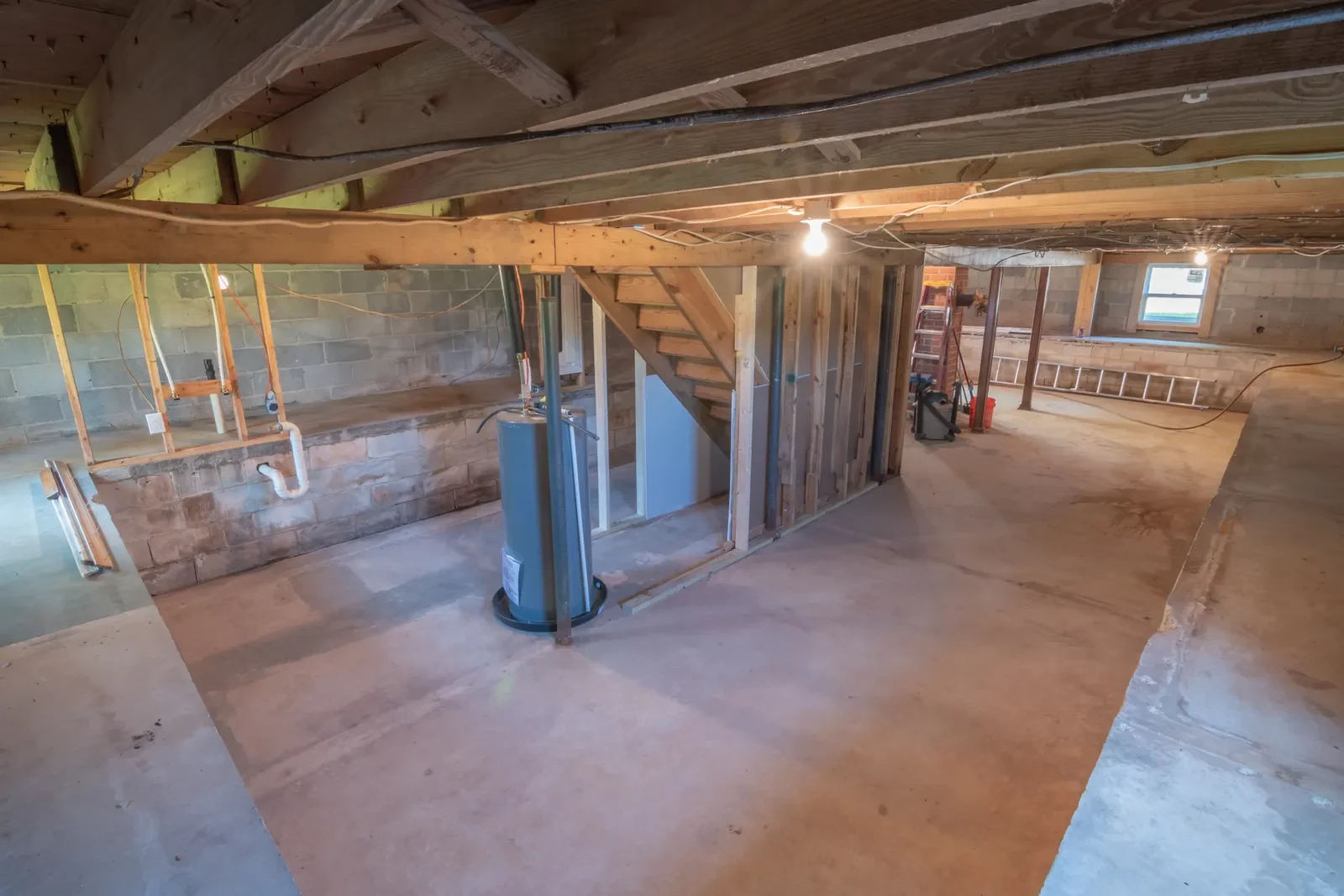
If you have water heater leak water damage in Rockwall, TX, call our free referral line. We connect you with an independent local water damage restoration provider who can remove the water and dry the area.
Call (972) 000-0000Signs of a water heater leak
- Water pooling around the base of the tank or in the drain pan
- Rust stains or corrosion at the bottom of the tank or on the fittings
- Drips from the temperature and pressure relief valve or its discharge pipe
- Damp drywall or flooring next to a water heater closet
- Ceiling stains below an attic water heater
- Rumbling or popping sounds, often from sediment buildup
- Less hot water than usual, or water that looks rusty
Why water heater leaks happen in Rockwall homes
Tank water heaters wear out with age. Sediment settles at the bottom of the tank and the steel can corrode over time. Hard water is common in North Texas, which can speed up that buildup. Fittings, supply lines and the relief valve can also start to leak on their own.
Location matters, too. A garage water heater leak often stays on the concrete, but water can run under the wall into the house. A closet or attic unit is a bigger risk, especially if the drain pan is missing, cracked or not piped to a drain. Slab movement from North Texas clay soil can also stress the water lines connected to the heater.
What a water damage pro does
A water damage restoration provider handles the water damage. A plumber handles the water heater. On these jobs, a restoration provider will usually:
- Extract standing water from floors, carpet and the area around the unit
- Check walls, ceilings, subfloors and insulation around and below the unit with moisture meters
- Remove wet drywall, insulation or flooring that can’t be dried in place
- Set up air movers and dehumidifiers and track moisture until materials are dry
- Look for mold in the closet, attic or wall cavity
- Document the damage for your insurance claim
Ask the provider to explain what needs to be removed, and get pricing before work starts.
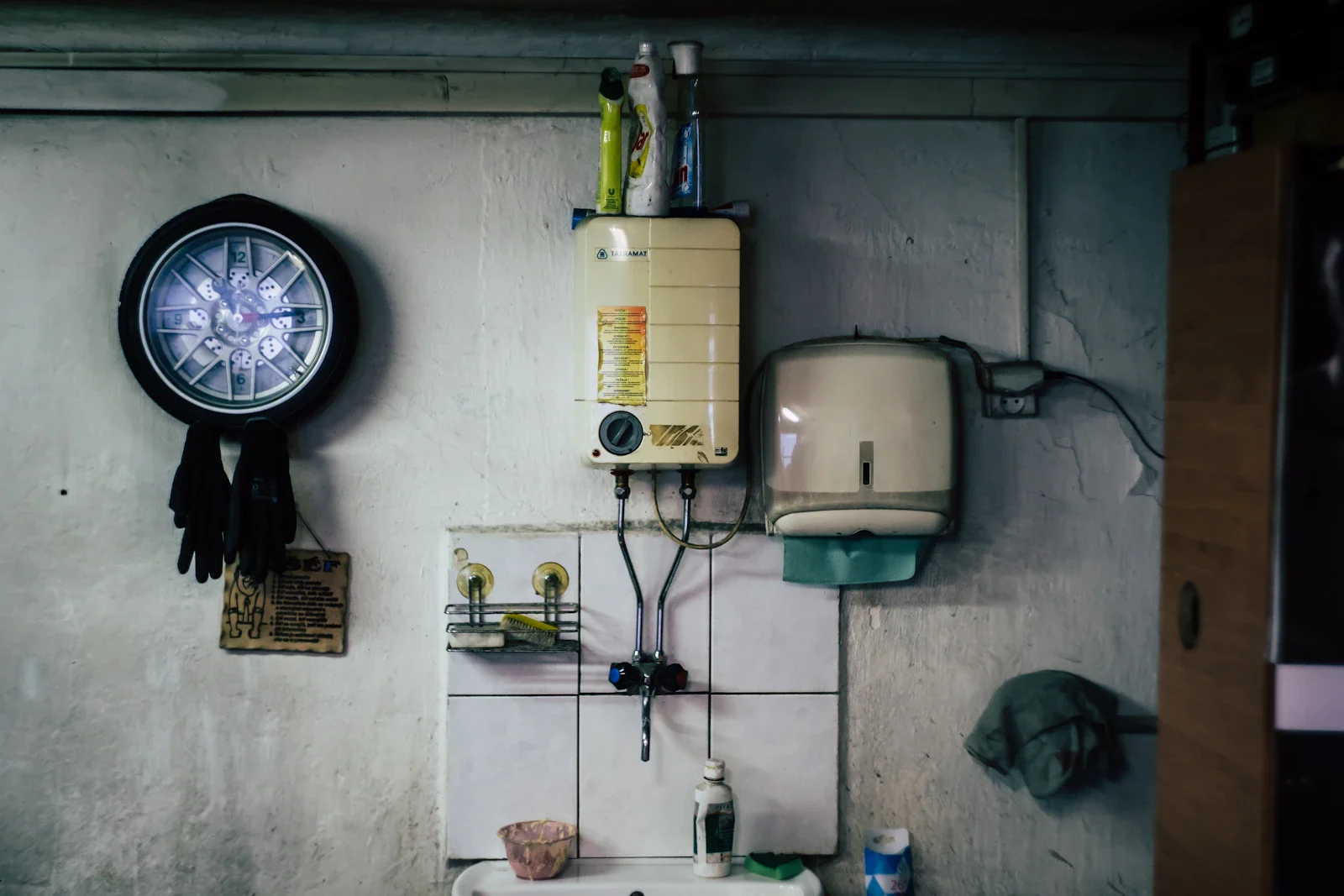
What to do right now
- Turn off the cold water supply valve at the top of the water heater, or the main water valve.
- Turn off the breaker for an electric unit, or set a gas unit’s control to “off” or “pilot.”
- Keep clear of the relief valve and hot water. It can scald.
- Move boxes and belongings away from the wet area.
- Take photos of the tank, the leak and any wet drywall or ceilings.
- Call our referral line to reach a local restoration provider, and a plumber for the heater itself.
Mold can start when materials stay wet for more than 24 to 48 hours, especially in a closed closet or a hot attic.
Related: ceiling leak water damage, slab leak water damage and frequently asked questions.