Finding water where it shouldn’t be is stressful. These steps help you stay safe, limit the damage and keep good records for insurance. If water is actively leaking, start with step one and call when you can.
Call (972) 000-00001. Stop the water
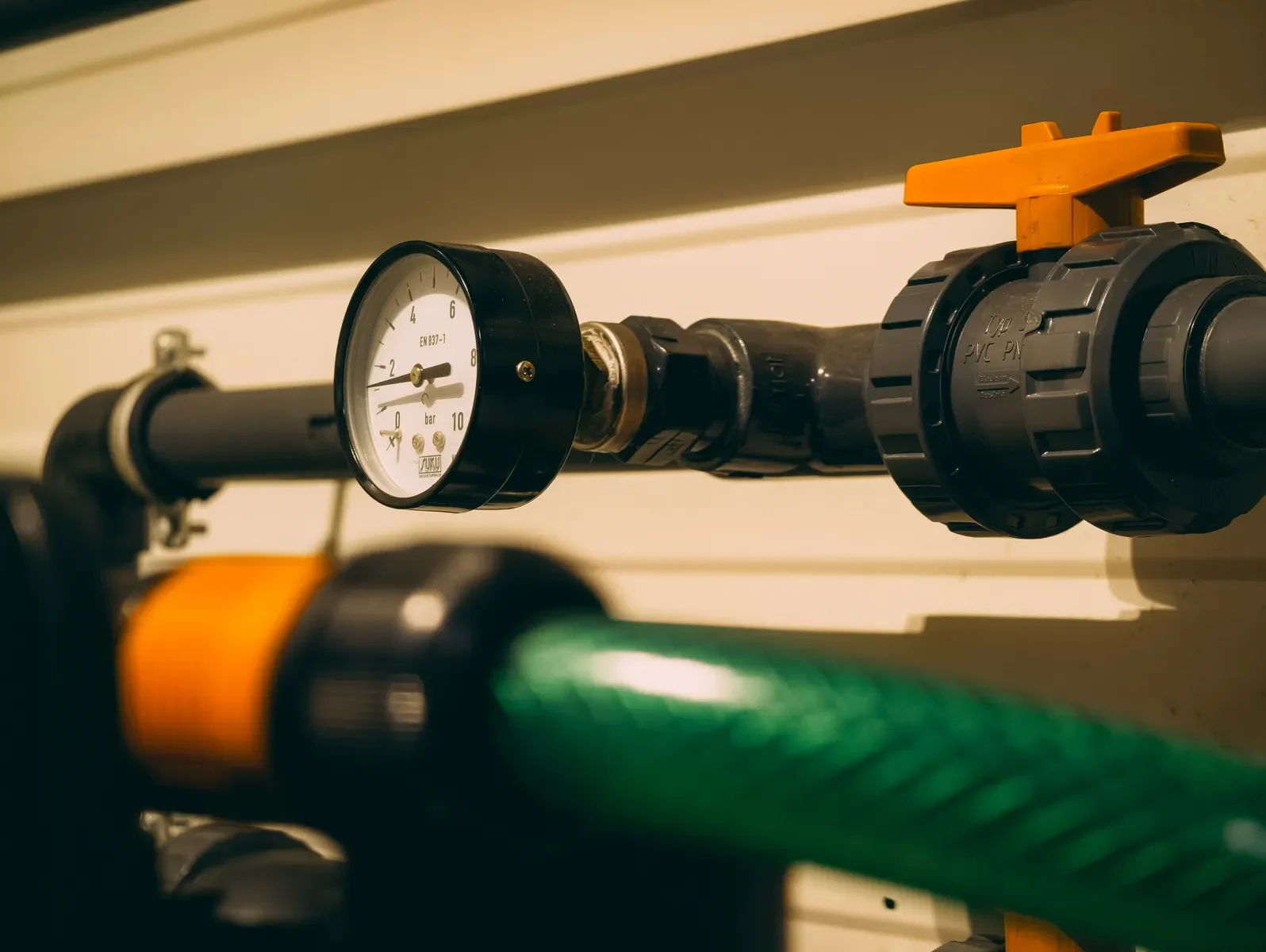
Shut off the main water valve. In many Rockwall homes it is in the garage, where the water line enters the house, or in the meter box near the curb. Turning the valve clockwise closes it. If the leak is from one fixture, its own shut-off valve may be enough.
2. Stay safe around electricity
Don’t walk through standing water near outlets, cords or appliances. If you can reach the breaker panel without standing in water, turn off power to the wet area. If you can’t, stay out and wait for help.
3. Watch for ceiling and gas hazards
Stay out from under sagging ceilings. If a water heater is involved, turn off its power or set the gas control to off. If you smell gas, leave the house and call the gas company or 911 from outside.
4. Document everything
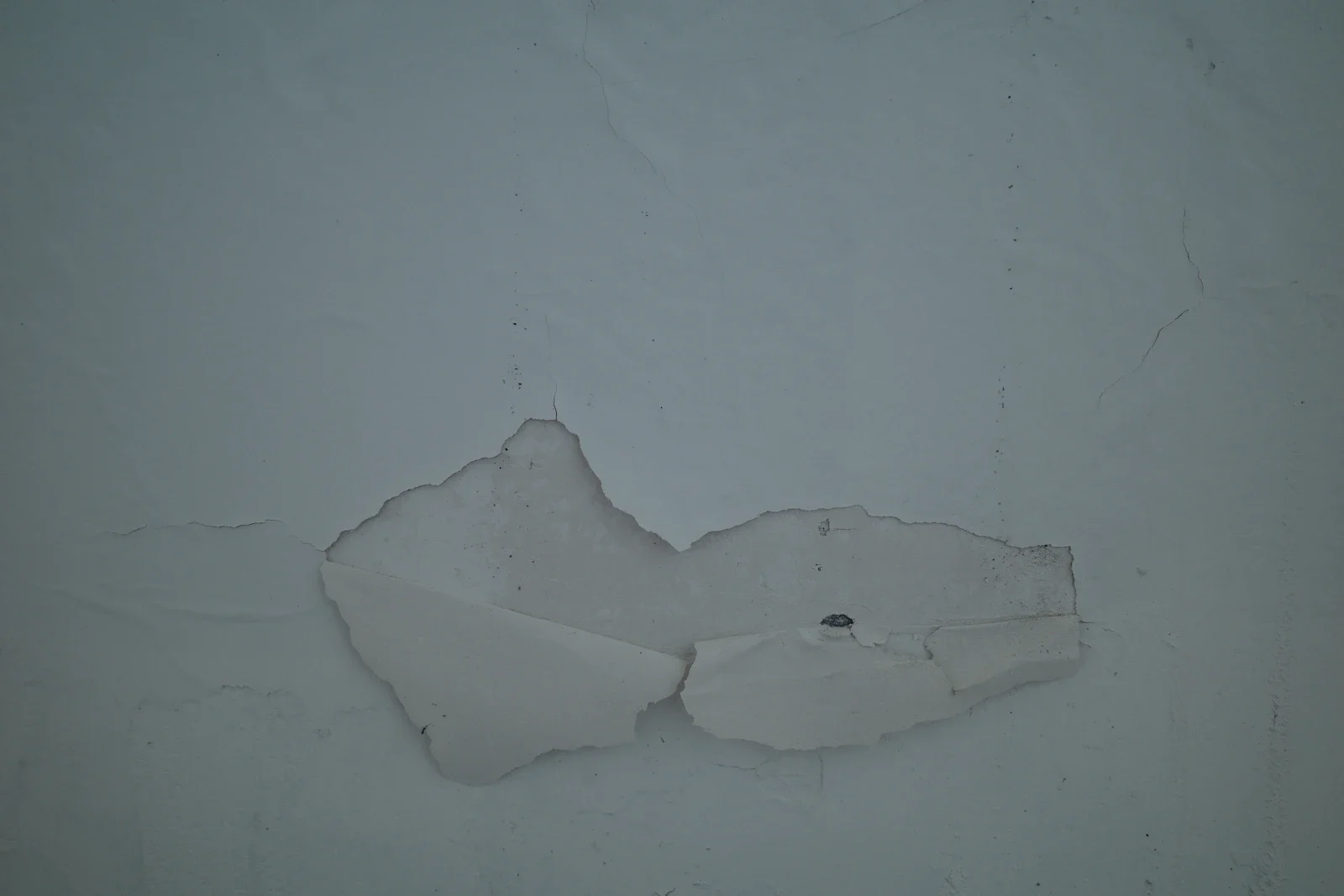
Take photos and video of the water, the leak source, damaged belongings and your water meter before cleanup. Keep receipts for anything you buy.
5. Move belongings and soak up what you can
Move furniture, rugs, electronics and important papers to a dry place. Put foil or plastic blocks under furniture legs that can’t be moved. Mop or towel up small amounts of clean water.
6. Call your insurance company
Ask what your policy covers, whether they need to inspect, and how to file a claim. Many policies cover sudden and accidental damage, but slow leaks are often excluded. Write down your claim number.
7. Call a water damage restoration provider
Mold can start when materials stay wet for more than 24 to 48 hours. A restoration provider can extract water, dry walls, floors and cabinets, and record moisture readings. Our free referral line connects you with an independent local provider serving Rockwall, TX.
What not to do
- Don’t use a household vacuum on water.
- Don’t turn on ceiling fans or lights below a wet ceiling.
- Don’t paint over stains or cover wet areas up.
- Don’t wait for drywall or carpet pad to “dry on its own.”
- Don’t throw out damaged items before you photograph them and talk to your insurer.
Learn more about specific problems like burst pipes and slab leaks, or see what affects water damage cost.